
 英语
英语0086 574 87739122

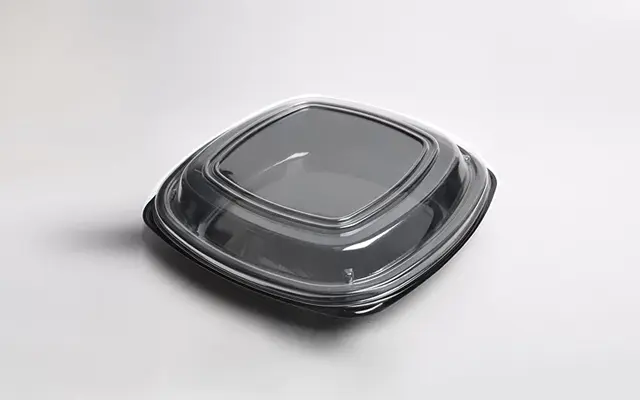 By: Ethan
Preservation of Freshness Through Controlled Atmosphere
The core advantage of MAP Packaging Trays lies in their ability to preserve the freshness of perishable products by controlling the atmosphere within the packaging. By modifying the levels of gases like oxygen, nitrogen, and carbon dioxide, MAP packaging slows down processes that lead to spoilage, such as oxidation, microbial growth, and dehydration. This controlled environment extends the shelf life of products, reducing the rate at which they deteriorate compared to traditional packaging methods. For example, fresh produce, meats, and seafood all benefit from a tailored gas mixture that creates an optimal atmosphere for each product type, keeping them fresher for longer periods.
Optimal Gas Mixture for Product-Specific Needs
Each food product has its own unique needs when it comes to the preservation of freshness. MAP Packaging Trays take into account these needs by adjusting the gas composition within the packaging. In meat products, for instance, a higher oxygen content is typically used to maintain the desirable red color, while in fruits and vegetables, higher levels of carbon dioxide may be employed to slow down respiration and delay ripening. This customization ensures that the freshness of each product is preserved in the most efficient manner possible, offering a significant advantage over traditional packaging methods that do not have such a fine level of control over the atmosphere inside the package.
Reduced Oxygen Levels to Prevent Spoilage
Oxygen plays a significant role in the spoilage of food, particularly in the oxidation of fats, which leads to rancidity, and in the growth of aerobic bacteria and molds. MAP Packaging Trays typically work by reducing the oxygen concentration inside the package, which inhibits the growth of these spoilage agents. By limiting oxygen exposure, the products inside can maintain their freshness, color, and texture for longer periods, without relying on preservatives or excessive refrigeration. This makes MAP an ideal solution for products like meats and seafood, where oxidation can rapidly affect both flavor and appearance.
Humidity Control to Maintain Freshness
Another critical aspect of food preservation is controlling the humidity within the packaging. Too much moisture can lead to condensation and mold growth, while too little moisture can cause dehydration and wilting, particularly in fruits and vegetables. MAP Packaging Trays are designed to maintain a balanced humidity level, which helps preserve the optimal condition of the product. For example, leafy greens and fresh-cut produce benefit from a controlled moisture level that prevents them from drying out or becoming soggy. By regulating both the atmospheric gases and moisture levels, MAP packaging offers a more comprehensive solution to freshness than traditional methods that may not address both factors simultaneously.
Microbial Growth Inhibition
The reduction in oxygen and the increase in carbon dioxide inside MAP Packaging Trays significantly slow down the growth of bacteria and fungi. This is particularly important for perishable products such as meat, dairy, and seafood, which are highly susceptible to microbial contamination. By altering the environment to limit the growth of these microorganisms, MAP Packaging Trays help ensure that the food remains safe to consume for longer periods. In comparison to traditional methods, which often rely on refrigeration alone, MAP packaging offers a more robust means of keeping products fresh without the need for preservatives.
Maintaining Product Appearance and Texture
In addition to preventing spoilage, MAP Packaging Trays help maintain the appearance and texture of perishable goods. For example, fruits and vegetables that are sensitive to oxidation, such as apples and avocados, can benefit from a reduced oxygen atmosphere that keeps them from browning. Similarly, meats and fish remain visually appealing, with their color preserved for longer periods. The reduction of microbial activity and the control of humidity also prevent the loss of moisture, ensuring that the product maintains its intended texture and does not dry out or become limp. This aesthetic preservation is crucial for products that need to remain visually attractive to consumers, such as fresh produce, meat cuts, and deli items.
Eliminating or Reducing the Need for Chemical Preservatives
One of the key benefits of MAP Packaging Trays is that they can reduce or eliminate the need for chemical preservatives. Traditional methods often rely on chemicals such as sulfites, nitrates, or artificial additives to prolong shelf life and prevent microbial growth. In contrast, MAP packaging uses a natural process of atmospheric control to achieve these same results, making it a cleaner and more natural option for food preservation. This aligns with consumer demand for products with fewer artificial ingredients, enhancing the appeal of the packaged goods.
Long Shelf Life Without Freezing
Unlike freezing, which can alter the taste and texture of many food products, MAP Packaging Trays offer a method of extending shelf life without the need for freezing. Freezing can cause significant changes in the texture and structure of foods, particularly in delicate items like fruits or seafood. MAP packaging, on the other hand, allows these products to remain fresh without such detrimental changes. This makes MAP an ideal solution for products that need to be stored for longer periods but cannot undergo freezing without losing quality.
Ethylene Gas Control for Fresh Produce
Fruits and vegetables naturally produce ethylene gas, which accelerates the ripening process. MAP Packaging Trays can incorporate absorbent materials that capture and reduce the levels of ethylene within the package. This slows down the ripening of produce such as bananas, avocados, and tomatoes, allowing them to remain fresh for longer. By addressing the specific needs of different types of fresh produce, MAP packaging helps to reduce waste caused by premature spoilage, which is a common issue in the supply chain.
Food-service packaging · Buyer's guide Small Containers, Big Stakes: Choosing Little Sauce Containe...
Beverage Packaging · Buyer's Field Note Eco Friendly Cups for Cold Drinks: What Buyers Should Actua...

0086 574 87739122
Copyright © Ningbo Linhua Plastic Co.,Ltd. All Rights Reserved.
Disposable Food Packaging Tray Manufacturers


Post Comment