
 英语
英语0086 574 87739122

 By: Ethan
Material Composition and Thermal Conductivity
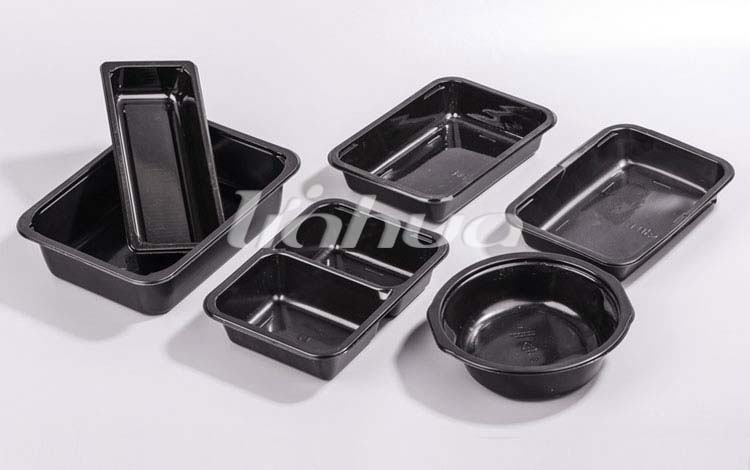
A CPET Tray is constructed from Crystalline Polyethylene Terephthalate, a polymer specifically engineered to withstand high temperatures while maintaining structural integrity. The material possesses uniform thermal conductivity, allowing heat to transfer efficiently from the heating source to the food. This characteristic prevents the formation of hot or cold spots, ensuring that each portion of the meal reaches the desired temperature simultaneously. CPET’s resistance to thermal degradation and dimensional changes ensures that repeated heating does not compromise the tray’s ability to distribute heat evenly, which is crucial for maintaining consistent food quality and safety in both home and industrial applications.
Tray Geometry and Wall Thickness
The geometry and wall thickness of a CPET Tray are carefully designed to balance structural strength with optimal heat transfer. Strategic variations in wall thickness provide reinforcement where mechanical stress is highest, while thinner regions allow more rapid heat penetration to the food. The tray base may feature slight contours or textured surfaces to maximize contact area, improving thermal conduction and reducing uneven heating. In multi-compartment trays, compartment shapes and sizes are optimized to promote uniform heat distribution across all sections, preventing overcooked or undercooked areas and ensuring each portion of the meal is consistently heated.
Compartmentalization and Food Contact Optimization
In trays designed for multi-portion meals, CPET Trays incorporate compartmentalization to enhance heat distribution and maintain food separation. The spacing and shape of compartments allow hot air or microwave energy to circulate evenly around each portion, ensuring uniform reheating. Rounded corners and tapered walls reduce areas where heat could stagnate, while maximizing surface contact between the tray and the food. This careful design accommodates variations in food density and moisture content, ensuring that components with differing thermal properties are reheated consistently without compromising texture, taste, or safety.
Ventilation and Steam Release Features
Many CPET Trays feature vents, perforations, or textured surfaces that enable controlled steam release during heating. These design elements prevent the accumulation of moisture, which can interfere with heat transfer and create uneven cooking conditions. By facilitating consistent airflow around the food, the tray ensures that heat is distributed evenly across all portions. Proper venting also maintains the desired texture of the food, preventing sogginess while allowing for efficient reheating in both conventional and microwave ovens.
Oven and Microwave Compatibility
The design of a CPET Tray is optimized for compatibility with multiple heating methods, including conventional ovens and microwaves. In conventional ovens, the tray’s thermal mass and geometry facilitate uniform conduction and radiation of heat across the food. In microwave applications, CPET’s composition and tray design minimize localized energy concentration, promoting even heating throughout the meal. Features such as raised platforms, contoured bases, or patterned surfaces enhance microwave penetration and reduce cold spots, ensuring that meals are reheated consistently regardless of the cooking method.
Food-service packaging · Buyer's guide Small Containers, Big Stakes: Choosing Little Sauce Containe...
Beverage Packaging · Buyer's Field Note Eco Friendly Cups for Cold Drinks: What Buyers Should Actua...

0086 574 87739122
Copyright © Ningbo Linhua Plastic Co.,Ltd. All Rights Reserved.
Disposable Food Packaging Tray Manufacturers


Post Comment