
 英语
英语0086 574 87739122

.jpg) By: Ethan
By: Ethan
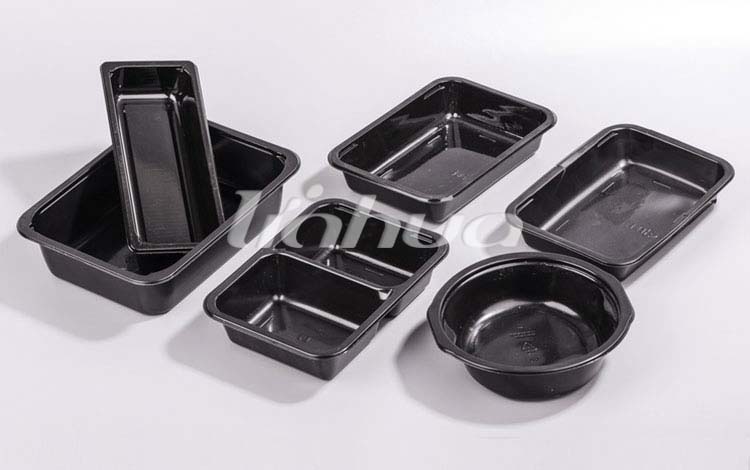
The CPET Tray retains moisture very effectively during heating and is widely considered one of the best packaging formats for maintaining food quality in ready meals. Under normal oven and microwave heating conditions, food packaged in a properly sealed CPET Tray can experience moisture loss levels of approximately 5% to 10%, depending on the recipe, heating duration, and sealing method. This level of performance helps preserve texture, flavor, tenderness, and overall eating quality.
The excellent moisture retention performance of CPET food trays comes from their heat-resistant structure, dimensional stability, and compatibility with high-performance sealing films. These characteristics allow steam to remain within the package during heating, creating a controlled environment that reduces dehydration and prevents food from becoming dry.
Moisture retention directly affects the quality of heated food. When excessive water escapes during cooking or reheating, food can become tough, dry, and less appealing. This is particularly important for prepared meals containing proteins, rice, pasta, vegetables, and sauces.
Studies in food processing have shown that even a small reduction in moisture content can significantly influence consumer perception. For example, chicken breast losing more than 12% of its moisture often becomes noticeably drier, while rice dishes can lose softness and become hard around the edges. By minimizing evaporation, a CPET Tray helps maintain the intended taste and texture of the meal.
CPET material can generally withstand temperatures ranging from approximately -40°C to 220°C. Because the tray remains stable during heating, it does not deform or create gaps that could allow excessive steam to escape.
The structure of CPET provides a relatively effective barrier against moisture movement. Combined with an appropriate sealing film, the package can retain a significant portion of the steam generated during heating. This trapped steam helps keep food moist while ensuring more uniform heating.
Unlike some lightweight food containers that may bend or warp under heat, CPET food trays maintain their shape. This structural stability supports seal integrity and contributes to consistent moisture retention throughout the heating cycle.
Actual moisture retention depends on the food type and heating conditions. The following table illustrates typical results observed in prepared meal applications.
| Food Type | Heating Method | Average Moisture Loss |
|---|---|---|
| Chicken Meals | Oven | 5%–8% |
| Pasta Dishes | Oven | 6%–9% |
| Rice Meals | Microwave | 5%–7% |
| Vegetable Meals | Microwave | 4%–8% |
These values demonstrate why CPET food trays are frequently selected for frozen meals, chilled prepared foods, airline catering, and institutional food service applications.
The tray itself is only one part of the moisture-retention system. The sealing film and sealing quality play equally important roles. A properly sealed CPET Tray creates a semi-closed environment where steam generated during heating remains close to the food surface.
In commercial food production, optimized sealing systems can improve moisture retention by several percentage points compared with loosely covered containers.
CPET trays perform exceptionally well in conventional and convection ovens. Their ability to tolerate high temperatures allows food to heat evenly while retaining a significant amount of internal moisture.
During microwave heating, moisture retention is often enhanced because heating times are shorter. The sealed environment created by CPET food trays helps distribute steam throughout the package, reducing localized drying.
One major advantage of a CPET Tray is its ability to move directly from frozen storage to oven heating. This minimizes handling and helps preserve the original moisture content of the food until preparation.
Following these recommendations can further improve food quality and help ensure that meals reach consumers with their intended texture and flavor characteristics.
CPET Tray packaging provides excellent moisture retention during heating and is particularly effective for prepared meals, frozen foods, and ready-to-eat products. Typical moisture loss remains relatively low, often within the 5% to 10% range, helping preserve tenderness, flavor, and visual appeal. The combination of heat resistance, rigid construction, and reliable sealing compatibility makes CPET food trays a preferred solution for applications where maintaining food quality is essential.
For food manufacturers, caterers, and meal providers seeking consistent heating performance, a properly sealed CPET Tray offers a practical and proven method of minimizing moisture loss while delivering a better eating experience.
.jpg?imageView2/2/w/600/h/600/format/webp/q/75)
A Plastic Food Tray made from PET (Polyethylene Terephthalate) offers superior moisture resistance ...
Packaging Intelligence — Cold Chain Series A data-driven look at why sealed atmosphere consistentl...

0086 574 87739122
Copyright © Ningbo Linhua Plastic Co.,Ltd. All Rights Reserved.
Disposable Food Packaging Tray Manufacturers


Post Comment