
 英语
英语0086 574 87739122

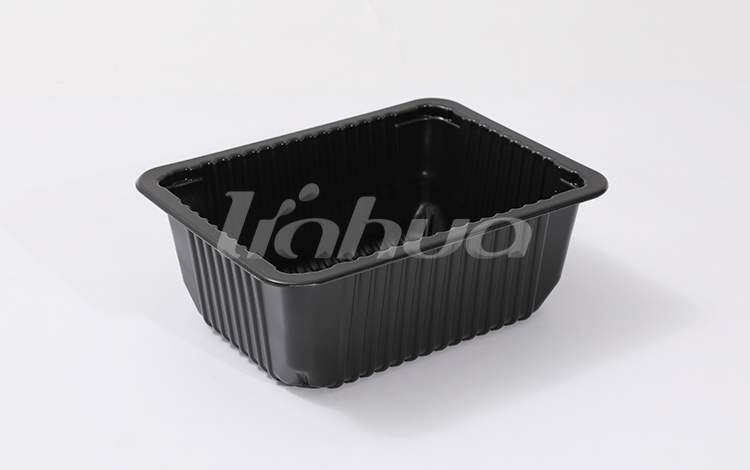 By: Ethan
For most retail-ready seafood applications, MAP Packaging Trays provide significant advantages over Vacuum Packaging Trays by maintaining a more attractive product appearance, reducing package deformation, enhancing shelf presentation, and extending shelf life through controlled gas mixtures. While Vacuum Packaging Trays remain effective for certain seafood products, retailers often prefer MAP Packaging Trays because they allow consumers to view seafood in a more natural state while preserving freshness and quality.
Modified Atmosphere Packaging (MAP) replaces the air inside a package with a carefully controlled mixture of gases such as carbon dioxide, oxygen, and nitrogen. This environment slows microbial growth and oxidation. Vacuum Packaging Trays remove air entirely, creating a tightly compressed package around the product. Although both methods can extend shelf life, MAP Packaging Trays frequently deliver a better balance between product protection and consumer appeal in seafood retail environments.
Seafood purchasing decisions are highly influenced by visual appearance. Consumers often associate bright color, natural texture, and overall freshness with product quality. MAP Packaging Trays help preserve these visual characteristics better than Vacuum Packaging Trays in many retail scenarios.
In vacuum packaging, the removal of air can compress fish fillets and shellfish, sometimes altering their natural shape. This compression may create an appearance that consumers perceive as less fresh, even when the product remains safe and high quality.
| Factor | MAP Packaging Trays | Vacuum Packaging Trays |
|---|---|---|
| Visual Appearance | Excellent | Moderate |
| Shape Retention | High | Lower |
| Microbial Control | Very Good | Very Good |
| Shelf Presentation | Excellent | Average |
| Consumer Appeal | High | Moderate |
Depending on seafood species, storage temperature, and gas composition, MAP Packaging Trays can extend refrigerated shelf life by 30% to 100% compared with conventional air packaging. In many fresh fish applications, shelf life can increase from approximately 4–6 days to 8–12 days when appropriate MAP conditions are maintained.
Seafood products often travel long distances from processing facilities to distribution centers and retail stores. MAP Packaging Trays provide a protective internal atmosphere that helps cushion products and reduce mechanical stress during transportation.
Retailers place significant importance on leak prevention. Properly designed MAP Packaging Trays can help contain natural seafood juices and minimize contamination risks throughout the supply chain. This contributes to cleaner displays and improved food safety management.
One important advantage of MAP Packaging Trays is their adaptability to various food tray size requirements. Seafood processors package a wide range of products, from small shrimp portions to large fish fillets and premium shellfish assortments.
Manufacturers can select the appropriate food tray size to maximize shelf efficiency, reduce material waste, and improve visual merchandising. This flexibility allows retailers to create packaging formats that meet local consumer preferences and purchasing habits.
In addition, tray depth and dimensions can be optimized to support different seafood categories while maintaining gas integrity. Choosing the correct food tray size is often critical to achieving optimal MAP performance.
Retail-ready seafood packaging must compete for consumer attention. MAP Packaging Trays help create attractive displays that showcase product color, texture, and freshness indicators more effectively than compressed vacuum packages.
Products that maintain their appearance throughout distribution and retail display are less likely to generate consumer complaints. Improved presentation often translates into stronger customer satisfaction and lower return rates.
Premium seafood products benefit from packaging that supports premium positioning. MAP Packaging Trays can help retailers communicate freshness and quality, increasing consumer willingness to purchase higher-value seafood items.
The design of the food tray plate plays a crucial role in overall packaging performance. A properly engineered food tray plate provides structural support, helps maintain sealing integrity, and contributes to effective gas retention.
For seafood packaging, the food tray plate must withstand cold-chain conditions, moisture exposure, and handling throughout distribution. High-quality tray structures also reduce deformation, helping maintain the attractive appearance that consumers expect.
Selecting an appropriate food tray plate design can improve operational efficiency while ensuring consistent package performance across different seafood product categories.
Although MAP Packaging Trays offer numerous advantages, Vacuum Packaging Trays remain suitable for specific applications. Products intended for long-distance export, frozen storage, or bulk foodservice distribution may benefit from vacuum packaging's compact format and strong oxygen removal capabilities.
However, for fresh retail seafood intended for direct consumer purchase, appearance and shelf presentation frequently outweigh the benefits of package compression.
MAP Packaging Trays generally offer superior advantages over Vacuum Packaging Trays for retail-ready seafood packaging because they preserve natural product appearance, improve shelf presentation, support flexible food tray size options, and provide excellent freshness protection.
By combining controlled atmosphere technology with an appropriately designed food tray plate, retailers can enhance product quality, reduce waste, and create a more appealing shopping experience. While Vacuum Packaging Trays continue to serve important functions in specific supply-chain scenarios, MAP Packaging Trays are often the preferred solution for fresh seafood products displayed directly to consumers.
.jpg?imageView2/2/w/600/h/600/format/webp/q/75)
Materials & Packaging Science Is a PET Tray Made from Recycled Material, Virgin Plastic, or a B...
.jpg?imageView2/2/w/600/h/600/format/webp/q/75)
A Plastic Food Tray made from PET (Polyethylene Terephthalate) offers superior moisture resistance ...

0086 574 87739122
Copyright © Ningbo Linhua Plastic Co.,Ltd. All Rights Reserved.
Disposable Food Packaging Tray Manufacturers


Post Comment