Industry Knowledge
MAP Packaging Trays and Their Role in Food Preservation
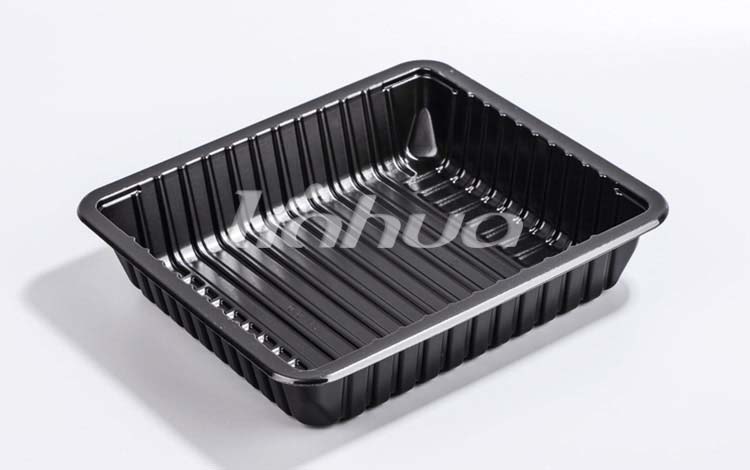
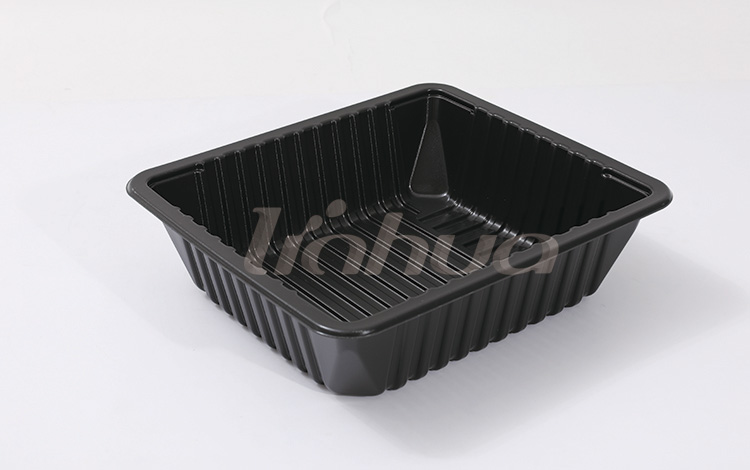
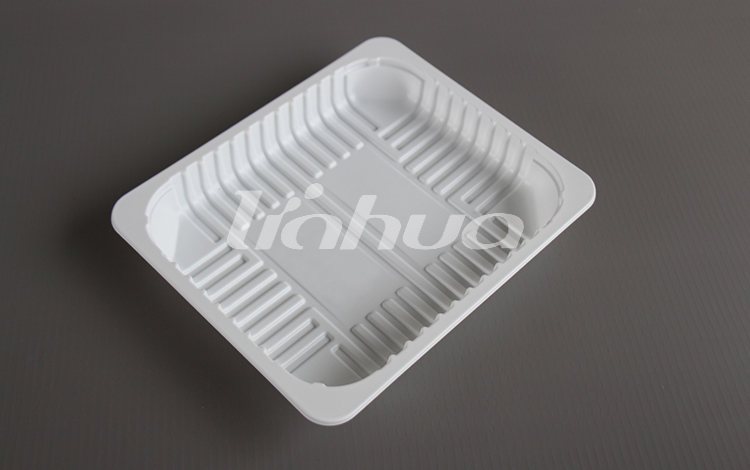
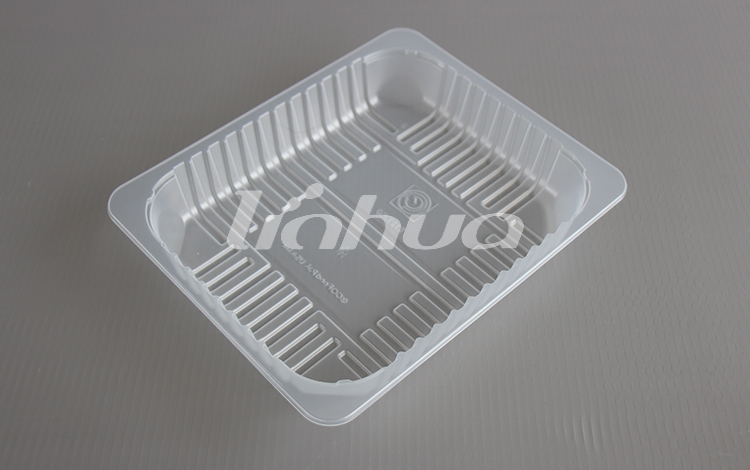
Modified Atmosphere Packaging (MAP) trays operate by creating a carefully controlled gaseous environment that slows food spoilage and preserves quality. The primary gases used are oxygen, carbon dioxide, and nitrogen, each performing a specific function. Oxygen can promote oxidation and microbial growth, so controlling its levels in
MAP Packaging Trays is essential for maintaining the freshness and color of products such as meat, poultry, seafood, and fresh produce. Carbon dioxide inhibits bacterial and mold growth, which reduces spoilage and extends the marketable life of perishable foods. Nitrogen, an inert gas, helps maintain tray shape, preventing collapse and minimizing physical damage to the packaged items. Ningbo Linhua Plastic Co., Ltd designs MAP Packaging Trays with precise barrier properties, allowing us to adjust gas ratios based on the type of food, storage conditions, and expected shelf life. The trays use multi-layer materials to regulate gas permeability, ensuring oxygen and carbon dioxide levels remain stable over time, even during transportation. Furthermore, MAP Packaging Trays from Ningbo Linhua Plastic Co., Ltd are engineered to reduce micro-environment fluctuations, which can result from temperature changes during distribution. By maintaining a stable modified atmosphere, our trays slow enzymatic reactions, reduce moisture loss, and prevent discoloration, providing consistent freshness from production to consumption. The scientific approach in designing these trays involves extensive testing for gas diffusion rates, tray sealing effectiveness, and interaction between gases and different food types. With this precision, MAP Packaging Trays help maintain sensory qualities such as taste, aroma, texture, and visual appearance, providing consumers with high-quality products while minimizing food waste.
MAP Packaging Trays have demonstrated remarkable effectiveness across various categories of perishable foods. For fresh produce like leafy greens, tomatoes, and berries, Ningbo Linhua Plastic Co., Ltd produces trays that maintain a low-oxygen, high-carbon dioxide environment, slowing respiration and enzymatic browning. This extends freshness without the need for chemical preservatives. In meat products such as beef, pork, and poultry, our MAP Packaging Trays incorporate EVOH barrier layers that prevent oxidation, maintain red color in fresh cuts, and inhibit microbial growth, providing longer shelf life during transportation and retail display. Seafood items, including fish fillets, shrimp, and shellfish, require high gas control precision due to rapid spoilage rates. Ningbo Linhua Plastic Co., Ltd provides specialized trays that maintain structural integrity while ensuring oxygen levels are minimized and carbon dioxide levels are sufficient to prevent bacterial growth. Dairy products like soft cheeses and ready-to-eat meals benefit from our rolled-edge MAP Packaging Trays, which create an airtight seal, controlling moisture and gas exchange while maintaining product texture. Each case demonstrates that MAP Packaging Trays are not one-size-fits-all; Ningbo Linhua Plastic Co., Ltd designs trays with specific gas permeability and structural properties tailored to the unique needs of the food item, ensuring optimal preservation, extended shelf life, and consistent quality.
MAP Packaging Trays differ significantly from traditional packaging in performance and food preservation capabilities. Traditional packaging often relies on passive protection, offering only a physical barrier against contamination and moisture loss. In contrast, MAP Packaging Trays actively modify the internal atmosphere to slow microbial growth and chemical reactions. Ningbo Linhua Plastic Co., Ltd ensures our trays maintain consistent gas levels, preventing the rapid degradation of flavor, color, and texture commonly observed in conventional packaging. For example, sliced fruits stored in traditional trays may brown and soften within days, whereas using MAP Packaging Trays preserves firmness and color for weeks. Similarly, fresh meat packaged in conventional trays experiences faster oxidation and microbial growth, reducing marketable life and increasing waste. The structural integrity of MAP Packaging Trays also surpasses that of traditional trays; features like rolled edges and multi-layer barriers from Ningbo Linhua Plastic Co., Ltd improve sealing efficiency and minimize leaks, maintaining the modified atmosphere for extended periods. MAP Packaging Trays reduce refrigeration dependency because controlled gas composition slows deterioration, offering flexibility in storage and distribution. Comparative studies of different packaging solutions consistently show that MAP Packaging Trays outperform standard options in preserving food quality, safety, and shelf life, providing measurable benefits for manufacturers, retailers, and consumers alike.
The barrier materials used in MAP Packaging Trays are central to their performance. Ningbo Linhua Plastic Co., Ltd employs multi-layer films and EVOH barriers to control gas permeability with precision. The combination of polymers like PP, PS, PET, and TFPP ensures mechanical strength, clarity, and compatibility with food contact standards. EVOH layers provide an exceptional oxygen barrier, preventing oxidation in sensitive foods such as fresh meat, seafood, and sliced fruits. Advances in barrier technology have also enabled the development of vacuum skin packaging trays that tightly conform to the product surface, reducing air pockets and maximizing gas control. Ningbo Linhua Plastic Co., Ltd continually tests and refines these materials to optimize gas exchange rates, moisture retention, and tray durability. New innovations include co-extruded films that integrate biodegradable PLA layers, balancing sustainability with functional performance. The precise design of these barrier materials ensures that MAP Packaging Trays maintain their effectiveness throughout storage, transport, and retail display, minimizing spoilage and supporting longer shelf life while meeting evolving regulatory standards for food safety.
MAP Packaging Trays are increasingly adopted worldwide due to rising consumer demand for fresh, safe, and visually appealing foods. Regulatory standards for packaging materials, such as ISO9001, HACCP, and BRC audits, require trays to meet stringent safety, hygiene, and performance criteria. Ningbo Linhua Plastic Co., Ltd has achieved these certifications, ensuring that our MAP Packaging Trays comply with international regulations and meet the expectations of food manufacturers and retailers globally. Trends in packaging include greater use of recyclable materials, incorporation of biodegradable polymers, and development of smart indicators that signal product freshness. Our trays are designed to support these trends, using materials that balance environmental responsibility with functional performance. Adoption of MAP Packaging Trays also facilitates global distribution of perishable foods, reducing spoilage during long-distance transport and helping manufacturers expand market reach while maintaining product quality. The combination of regulatory compliance, material innovation, and controlled atmosphere design positions MAP Packaging Trays as a sustainable and efficient solution for modern food preservation challenges.

 英语
英语