
 英语
英语0086 574 87739122

 By: Ethan
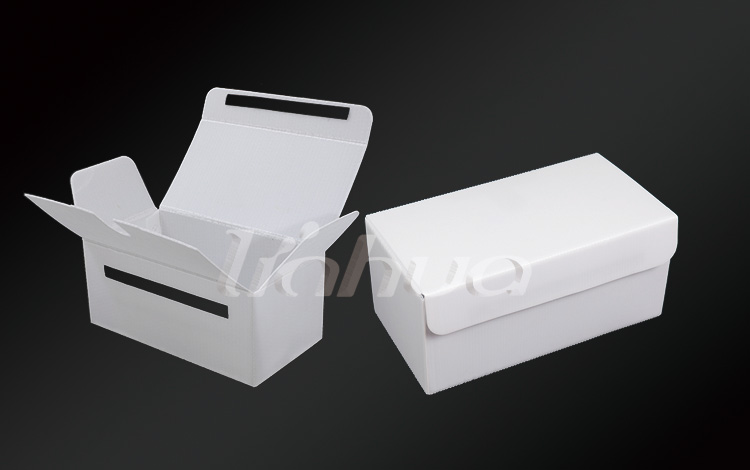
The primary way Food Packaging Boxes ensure the safety of hot or cold food items during delivery is by maintaining appropriate temperatures throughout transit. Hot foods remain above 140°F (60°C) while cold foods stay below 40°F (4°C), preventing bacterial growth and ensuring the food reaches the consumer safely.
Temperature retention is achieved through specialized materials and construction, including insulated walls, heat-reflective coatings, and ventilated designs that stabilize airflow. These features collectively reduce the risk of foodborne illness and spoilage during delivery.
High-quality Food Packaging Boxes are typically made of materials like corrugated cardboard, polyethylene-coated paperboard, or thermal laminates. Each material offers distinct benefits:
Multi-layer constructions, such as combining corrugated cardboard with aluminum lining, can improve temperature retention by up to 40% longer than single-layer designs.
Beyond materials, the design of Food Packaging Boxes contributes to food safety. Key features include:
These design features are particularly important for multi-item deliveries where cold beverages and hot entrees are shipped together. Proper separation helps maintain consistent temperatures across all food items.
For longer delivery periods, insulated Food Packaging Boxes are essential. These boxes may include foam layers, gel packs, or vacuum-insulated panels. Data shows that insulated boxes can retain hot food above 140°F for up to 90 minutes and cold food below 40°F for over two hours, depending on ambient conditions.
Restaurants and delivery services often use thermal bags in combination with insulated boxes for additional protection. This layered approach ensures food safety even during peak delivery times or in extreme weather conditions.
Modern Food Packaging Boxes can be equipped with temperature indicators, humidity sensors, or time-temperature strips. These devices provide real-time monitoring to ensure food remains within safe ranges.
For example, a time-temperature indicator strip placed inside a hot meal container can show if the food has dropped below 140°F during delivery. Such technology enhances accountability and consumer confidence in food safety.
Food safety regulations require that Food Packaging Boxes meet strict standards for materials, temperature retention, and contamination prevention. Organizations like the FDA in the United States specify requirements for food-contact materials, while international standards such as ISO 22000 ensure consistent safety practices.
Compliant boxes undergo testing for chemical leaching, moisture resistance, and heat tolerance. Failure to meet these standards can result in food spoilage, recalls, or health risks for consumers.
The following table summarizes common types of Food Packaging Boxes and their temperature retention capabilities:
| Box Type | Material | Hot Food Retention | Cold Food Retention |
|---|---|---|---|
| Insulated Foam Box | Polystyrene Foam | 90 minutes above 140°F | 120 minutes below 40°F |
| Corrugated Cardboard with Thermal Lining | Cardboard + Aluminum Foil | 60 minutes above 140°F | 90 minutes below 40°F |
| Polyethylene Coated Box | Paperboard + PE Coating | 45 minutes above 140°F | 60 minutes below 40°F |
Food Packaging Boxes ensure the safety of hot and cold foods during delivery through a combination of material selection, structural design, insulation, and compliance with food safety regulations. Properly designed boxes maintain critical temperatures, prevent contamination, and support extended delivery times, guaranteeing that consumers receive meals that are safe, fresh, and enjoyable.
PET Cups, Decoded: What the Name Really Promises PET stands for polyethylene terephthalate and carr...
.jpg?imageView2/2/w/600/h/600/format/webp/q/75)
Food Tray Dimensions: The Five Numbers That Decide Whether a Tray Actually Fits Most tray sizing di...

0086 574 87739122
Copyright © Ningbo Linhua Plastic Co.,Ltd. All Rights Reserved.
Disposable Food Packaging Tray Manufacturers


Post Comment