
 英语
英语0086 574 87739122

 By: Ethan
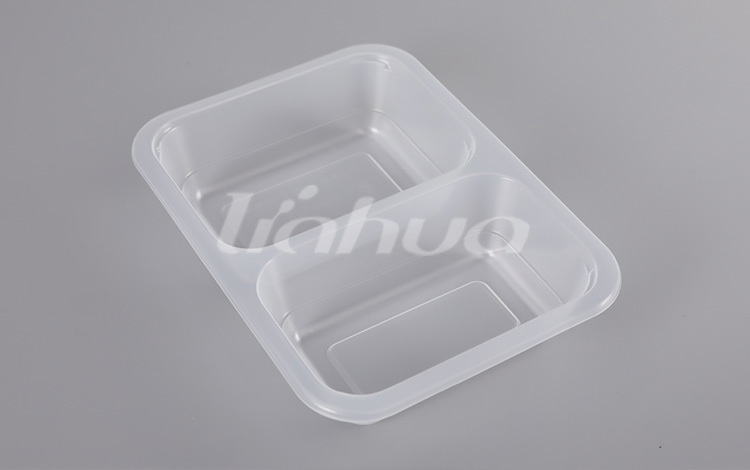
1. Tray design optimized for high-speed operation: VSP Trays are engineered with uniform dimensions, consistent wall thickness, and smooth edges to facilitate rapid movement along automated packaging lines. In high-volume operations, trays are conveyed, lifted, or picked by robotic arms at high speeds, and any variation in shape or size can cause jamming, misfeeds, or misalignment. By standardizing tray geometry, manufacturers ensure that each tray moves smoothly through conveyors, turntables, and feeding stations without interruption. This allows the packaging line to operate continuously, minimizing downtime and maximizing throughput. Additionally, the tray’s mechanical robustness prevents deformation under repeated impacts and handling, ensuring that every tray enters the vacuum sealing station in its intended shape, which is critical for consistent product presentation and sealing quality.
2. Alignment and positioning features for precise processing: Many VSP Trays incorporate molded guide edges, alignment lips, or nesting rims that allow for precise orientation during automated handling. These features ensure that trays are consistently aligned for vacuum sealing, film placement, labeling, and robotic stacking. Correct alignment is essential to prevent issues such as uneven film adhesion, air pockets, or product displacement. In industrial-scale packaging lines, where hundreds or thousands of trays are processed per hour, precise tray alignment reduces the need for operator intervention, minimizes errors, and maintains line speed and efficiency. Properly aligned trays also improve quality control by ensuring uniform appearance and packaging integrity across all products.
3. Consistent sealing performance through functional geometry: The sealing surface of a VSP Tray—including uniform lip height, smooth edges, and contoured wells—ensures that vacuum skin packaging films adhere evenly across the tray. This uniformity is critical for creating a complete vacuum seal, removing trapped air, and preventing leaks. Reliable sealing directly contributes to product preservation, shelf life, and safety, particularly for perishable items. In automated lines, consistent tray geometry ensures that each tray interacts predictably with the sealing system, allowing the vacuum packaging machine to operate at optimal speed without producing defective packages. This reduces material waste and operational inefficiency caused by failed seals.
4. Compatibility and integration with automation systems: VSP Trays are designed for seamless integration with a range of automated packaging equipment, including vacuum chambers, conveyors, heat sealers, film feeders, and robotic palletizers. Standardized dimensions, consistent wall thickness, and predictable material behavior ensure that trays can move reliably through the system with minimal mechanical resistance or misalignment. This compatibility allows for synchronized operation of multiple machines, enabling high line speeds and precise control over each stage of the packaging process. By providing predictable behavior under automated handling, VSP Trays reduce downtime, simplify machine setup, and support optimized production planning.
5. Durability under repetitive mechanical stress: Automated packaging lines impose repeated mechanical stresses on trays, including pushing, lifting, rotating, and stacking. VSP Trays are constructed with sufficient rigidity and structural strength to resist bending, cracking, or warping, even under high-speed or high-volume operation. Maintaining mechanical integrity ensures that trays continue to function correctly throughout their lifecycle, preserving alignment and sealing performance. This durability minimizes line stoppages, reduces replacement costs, and enhances overall operational efficiency. Robust tray design also reduces damage to downstream equipment, as deformed trays can jam conveyors or misalign sealing heads, leading to costly interruptions.
6. Contribution to overall throughput and quality control: By combining uniform dimensions, alignment features, reliable sealing surfaces, and durable construction, VSP Trays maximize throughput while maintaining consistent package quality. In automated lines, this reduces the need for manual intervention, inspection, or rework, saving labor costs and reducing product waste. Reliable tray performance ensures that every package meets visual and functional standards, maintaining brand reputation and regulatory compliance. For large-scale operations, consistent tray behavior enables predictable line speeds and cycle times, allowing manufacturers to scale production without sacrificing quality or efficiency.
.jpg?imageView2/2/w/600/h/600/format/webp/q/75)
Materials and Sourcing CPLA Plastic: Heat Resistance, Compostability and the Sourcing Details That ...
.jpg?imageView2/2/w/600/h/600/format/webp/q/75)
Corn Starch Bioplastic: What Holds Up and What Fails Corn starch is neither a wonder material nor a...

0086 574 87739122
Copyright © Ningbo Linhua Plastic Co.,Ltd. All Rights Reserved.
Disposable Food Packaging Tray Manufacturers


Post Comment