
 英语
英语0086 574 87739122

 By: Ethan
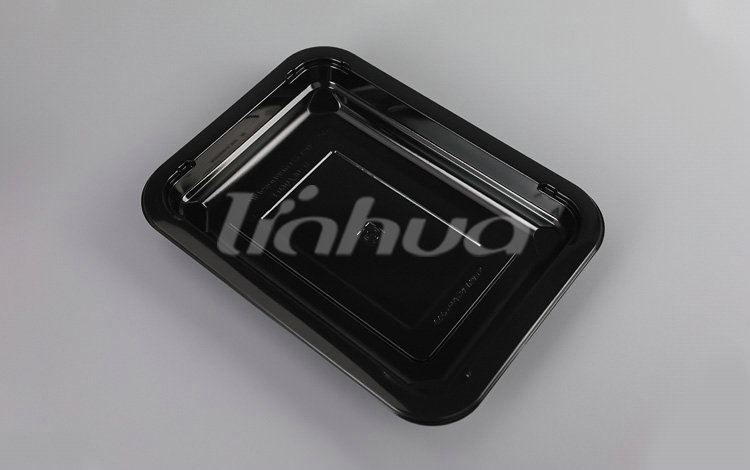
Effect of Thickness on Heat Transfer: The thickness of disposable CPET tray has a significant effect on how heat is conducted from the oven or microwave to the food. Thinner trays provide less material for thermal resistance, allowing the heat to reach the food more quickly and reducing overall cooking time. This can be advantageous for quick meal preparation or when precise temperature control is required. However, excessively thin trays can create hot spots, where portions of the food nearest to the heat source may overcook or dry out while other areas remain undercooked. Thicker trays slow down thermal conduction, which can prevent overheating in delicate foods but requires longer cooking times and may necessitate more careful temperature monitoring. The balance between tray thickness and heat transfer efficiency is therefore crucial to achieve consistent cooking results, minimize food wastage, and ensure that ready-to-eat meals maintain their intended taste and texture.
Structural Rigidity and Deformation Resistance: Tray thickness is a key determinant of structural integrity in disposable CPET trays. Thicker trays provide enhanced rigidity, making them resistant to warping, bending, or collapsing under high temperatures during oven cooking or when handling frozen meals. This is particularly important in commercial food applications, where trays must endure repeated handling, stacking, and transport without compromising the presentation or safety of the food. Thinner trays, although they may allow faster heat transfer, are more prone to flexing or tearing, which can result in spills, uneven cooking, or damage to the food compartments. Designers must carefully select a tray thickness that provides enough strength to withstand thermal stress and mechanical handling, while still allowing efficient cooking. Optimizing rigidity ensures that trays can transition safely from freezing to heating without deformation, which is essential for maintaining both operational efficiency and product quality.
Impact on Multi-Compartment Trays: The thickness of disposable CPET trays has an especially significant effect on multi-compartment designs, where each section may contain a different food type with varying moisture content, density, and cooking requirements. Thicker walls between compartments can act as thermal insulators, preventing heat from evenly distributing across all sections. This may result in some compartments cooking faster than others, producing inconsistencies in temperature and texture. Conversely, thinner compartment walls promote better heat transfer but may compromise rigidity and increase the risk of leaks between sections, especially with liquid-based foods. Optimized tray design balances wall thickness and base thickness to ensure uniform cooking across all compartments while maintaining structural integrity. Careful consideration of compartment thickness is critical in commercial frozen meal production, where food safety, consistent texture, and aesthetic presentation are essential for consumer satisfaction.
Heat Retention and Post-Cooking Effects: Tray thickness also influences heat retention after cooking, which can impact both food quality and serving convenience. Thicker CPET trays retain heat for a longer period, helping to keep meals warm during transport or service, but this retained heat may continue to cook the food slightly if left on a hot surface or inside an oven after the heating cycle has ended. This can be problematic for sensitive foods, such as vegetables or delicate proteins, which may overcook or lose moisture. Thinner trays cool more quickly after removal, reducing post-cooking thermal carryover and helping to preserve intended texture and flavor, but they are less rigid and more prone to bending or spilling during handling. Selecting the appropriate tray thickness ensures a balance between maintaining food warmth for consumption and preventing overcooking, supporting both food safety and optimal eating experience.
Optimization for Cooking Efficiency and Safety: Determining the ideal thickness for disposable CPET trays involves balancing several factors, including thermal conduction efficiency, structural stability, and consistent cooking performance. Professional tray design considers the type of food, portion size, compartment configuration, and the cooking method (oven, microwave, or combination) to ensure even heat distribution. Excessively thick trays may slow cooking and cause uneven temperature profiles, while trays that are too thin may warp or leak under thermal and mechanical stress. Optimized thickness also supports compliance with food safety standards, preventing the tray from deforming, cracking, or releasing harmful substances under heat. By carefully engineering tray thickness, manufacturers can ensure that meals cook uniformly, maintain their visual appeal, and are safe for consumption, while providing convenience for both commercial kitchens and end consumers.
Food-service packaging · Buyer's guide Small Containers, Big Stakes: Choosing Little Sauce Containe...
Beverage Packaging · Buyer's Field Note Eco Friendly Cups for Cold Drinks: What Buyers Should Actua...

0086 574 87739122
Copyright © Ningbo Linhua Plastic Co.,Ltd. All Rights Reserved.
Disposable Food Packaging Tray Manufacturers


Post Comment