Industry Knowledge
Functional Features of Plastic Food Tray for Freshness and Durability
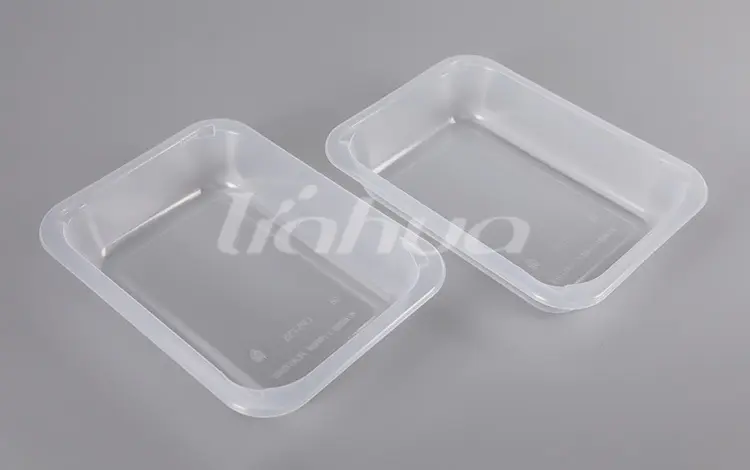
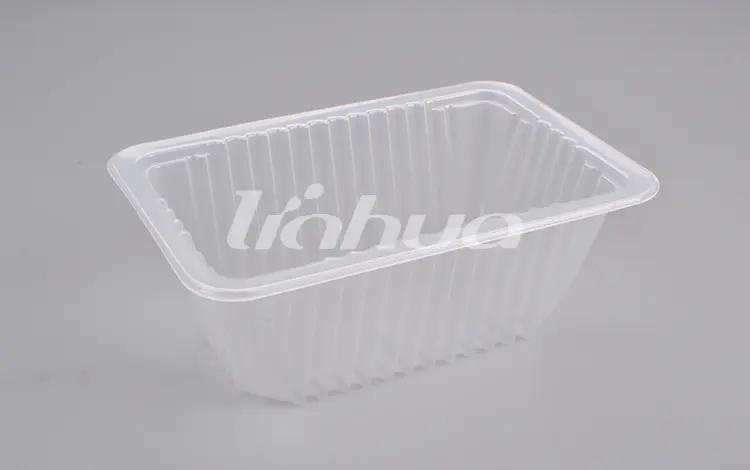
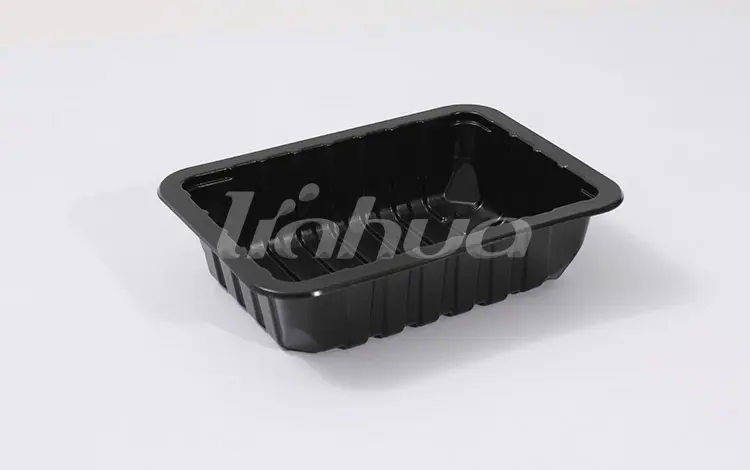
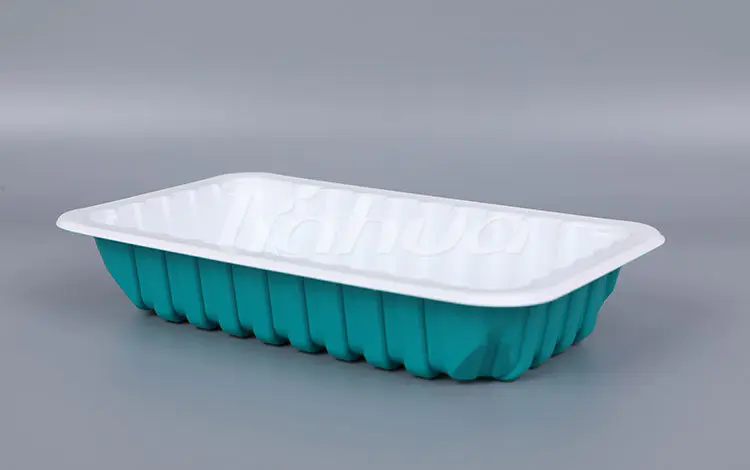
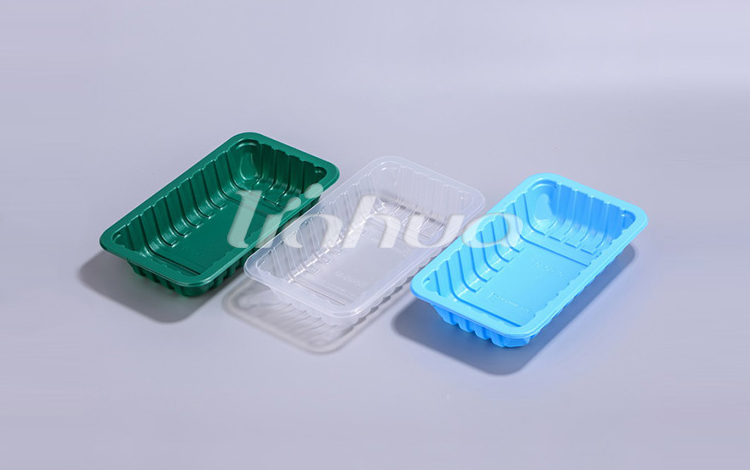
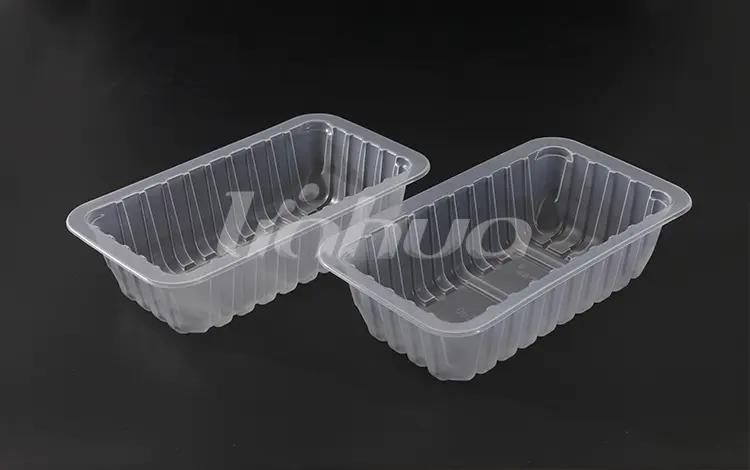
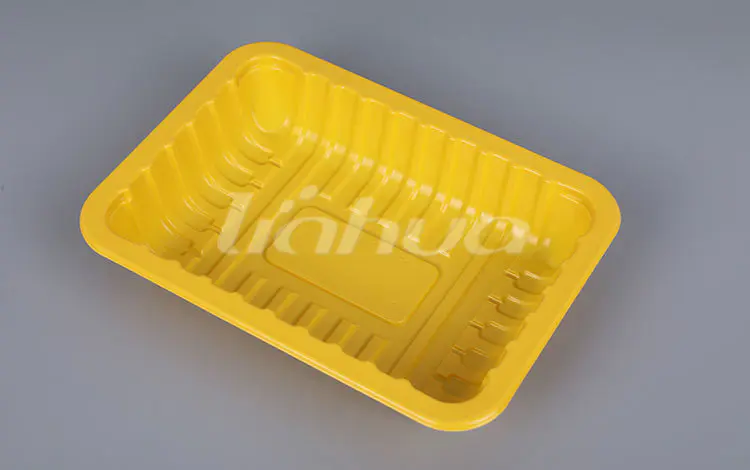
Plastic food trays from Ningbo Linhua Plastic Co., Ltd are crafted from a range of high-performance materials including PP, PS, PET, TFPP, and PLA, each selected for its ability to balance strength, flexibility, and preservation properties. Polypropylene (PP) is widely used in our trays for hot food applications due to its resistance to high temperatures. PP’s rigidity allows us to stack trays without risk of bending under weight, and it maintains its structural integrity during microwave reheating. Polystyrene (PS) is applied in situations where clarity and stiffness are essential. Our PS trays provide a transparent view of packaged food, which enhances retail presentation while keeping us from deformation under pressure. PET trays, with their inherent oxygen barrier properties, are ideal for preserving freshness in items such as salads, cold meals, or fresh fruits, reducing spoilage caused by exposure to air. TFPP, or thermoformed polypropylene, allows precision shaping of compartments for portion control, preventing food from moving within the tray during transport. PLA trays are used where biodegradable or eco-conscious solutions are preferred; they provide adequate structural strength for short-term storage and are compatible with certain barrier films to extend shelf life. Ningbo Linhua Plastic Co., Ltd ensures that each material is tested under real-use conditions, including temperature changes, moisture exposure, and weight-bearing simulations, to verify that our trays maintain freshness and durability consistently. Using multiple materials also allows us to customize tray solutions depending on the specific food type, storage method, and distribution channel, ensuring that our trays are versatile and reliable across applications ranging from airlines to retail food packaging.
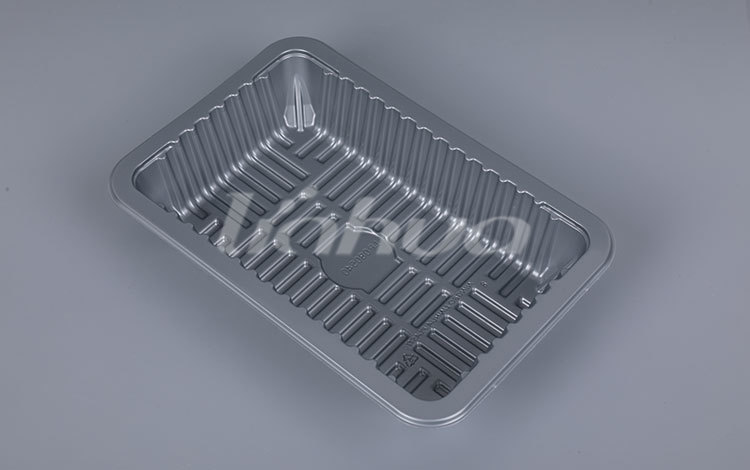
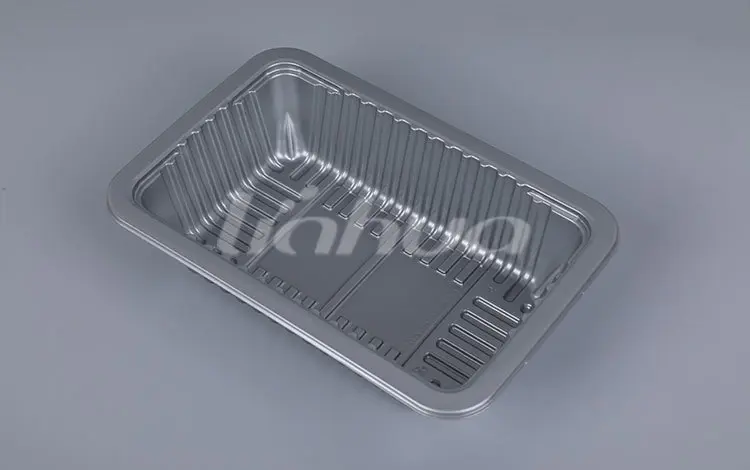
Preserving food freshness requires managing oxygen, moisture, and aroma exposure. Ningbo Linhua Plastic Co., Ltd incorporates advanced barrier technologies in our plastic food trays to address these factors. EVOH (Ethylene Vinyl Alcohol) layers are integrated into select trays to reduce oxygen penetration, which slows oxidation and microbial growth, helping perishable items such as meats, cheeses, and ready-to-eat meals last longer. Vacuum Skin Packaging (VSP) trays tightly conform to the food surface, reducing air pockets and minimizing moisture exchange. This feature allows our trays to maintain the shape and texture of delicate items like fish fillets, pastries, or prepared salads. The combination of these barrier layers with high-quality plastic materials ensures that us and our clients can rely on our trays to prevent spoilage while maintaining visual appeal. Additional barrier enhancements, such as modified atmosphere packaging compatibility, allow us to further extend shelf life when necessary. Ningbo Linhua Plastic Co., Ltd continuously monitors oxygen transmission rates, water vapor permeability, and mechanical strength of our trays during production, ensuring that barrier effectiveness is not compromised during thermoforming or handling. Our trays are designed to be compatible with various sealing methods, including heat sealing and film lamination, allowing us to integrate barrier protection seamlessly into packaging workflows. The combination of carefully chosen materials and barrier technologies ensures that our plastic food trays not only protect the product physically but also actively contribute to maintaining food quality over time.
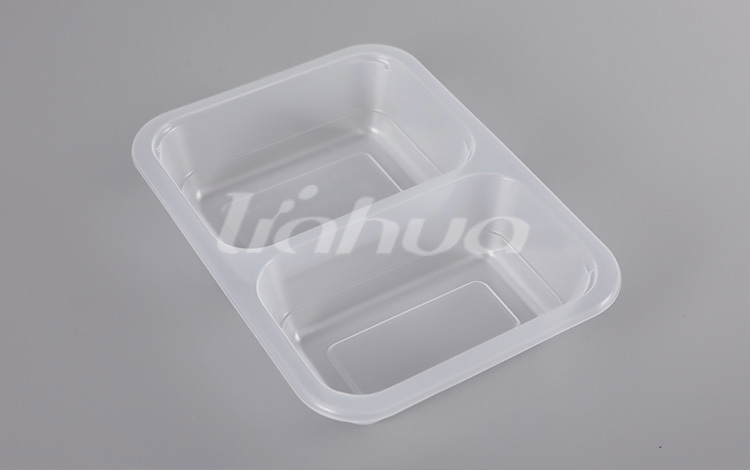
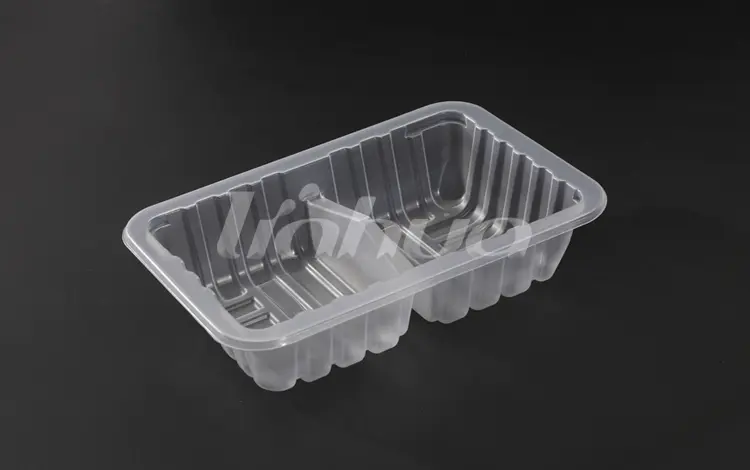
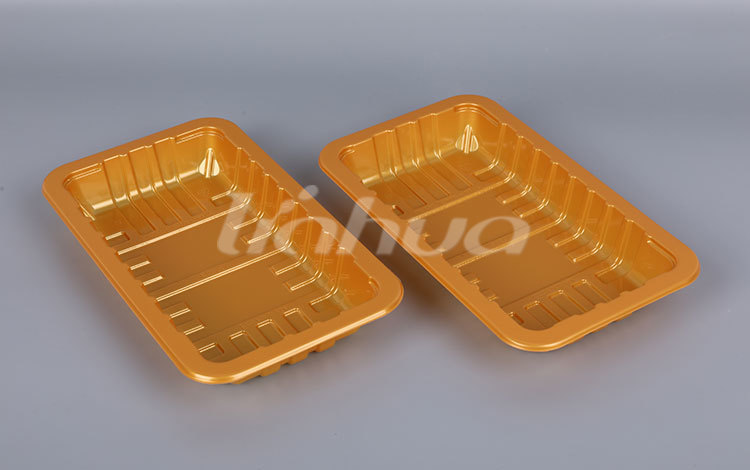
Durability in plastic food trays is achieved not only through material selection but also through innovative structural design. Ningbo Linhua Plastic Co., Ltd applies rolled edge designs to several tray types, enhancing rigidity and preventing cracking or bending under pressure. Rolled edges also improve stacking stability, allowing us to store and transport trays in large quantities without compromising integrity. Multi-compartment layouts are another key innovation, providing physical separation for food components to prevent cross-contamination, moisture mixing, or flavor transfer. Each compartment is precisely shaped using thermoforming techniques to optimize portion control and minimize movement during transport. Stackability and nesting features are carefully engineered to maximize storage efficiency while maintaining tray strength. Our designs are tested for compression, impact resistance, and repeated stacking cycles to ensure that food remains protected even under demanding logistics conditions. Ningbo Linhua Plastic Co., Ltd also incorporates ergonomic considerations such as reinforced corners, easy grip edges, and stability bases to ensure that handling by staff or end consumers does not compromise the tray or food inside. For airline or catering applications, trays are specifically shaped to fit into service carts or packaging inserts without deformation. These design considerations ensure that our trays remain durable across a wide range of applications, from retail display to long-distance transport, providing consistent protection for the packaged food.
Plastic food trays must be practical and convenient for end users while maintaining functional integrity. Ningbo Linhua Plastic Co., Ltd designs trays with microwave-safe PP or TFPP materials that tolerate rapid temperature changes, allowing consumers to reheat meals safely without deformation or chemical leaching. Peelable lids, tear tabs, and snap-on closures provide easy access to contents while minimizing accidental spillage. Compatibility with sealing machines is another key consideration, allowing us to integrate our trays into automated packaging lines efficiently. Compartmentalized trays also enhance portion control, making it easier for catering or meal-prep services to organize ingredients without cross-contamination. Our trays are lightweight yet strong, reducing shipping weight while preserving food integrity, which increases operational efficiency. For takeout or delivery applications, our designs include anti-slip bases and stackable profiles to prevent tipping or shifting during transit. Transparency in PET trays enhances product visibility for retail customers, allowing us to present food attractively while maintaining protective qualities. By combining durability, barrier protection, and convenience, Ningbo Linhua Plastic Co., Ltd provides trays that optimize the food handling process for businesses and improve the end-user experience.
Ningbo Linhua Plastic Co., Ltd focuses on food preservation as a central function of our plastic food trays. Moisture control is achieved through compartmentalized layouts and barrier films, which prevent sogginess in products like fried foods, salads, and pastries. Temperature resistance of PP, TFPP, and PET ensures that trays maintain shape and structural integrity in freezers, refrigerators, and microwaves. Compartment separation reduces contamination and flavor transfer, maintaining the intended taste and texture of each food item. Barrier features, including EVOH layers and vacuum sealing compatibility, further slow oxidation and bacterial growth, extending shelf life. Our trays are tested under accelerated aging conditions, including temperature and humidity variations, to ensure that us and our clients can rely on them to maintain quality throughout storage and distribution. Ningbo Linhua Plastic Co., Ltd also customizes trays for specific food types, ensuring that packaging solutions match the physical and chemical characteristics of each product. These measures allow us to provide trays that deliver both sensory preservation and safety, making our products suitable for fresh, ready-to-eat, or frozen food markets.

 英语
英语