
 英语
英语0086 574 87739122

 By: Ethan
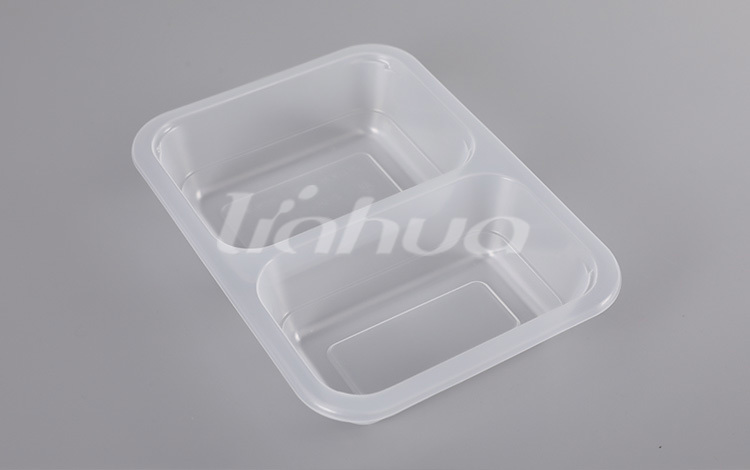
When it comes to oven use, aluminum food trays are the clear winner over plastic food trays in both heat retention and food safety. Most plastic food trays are not oven-safe and can warp, melt, or leach harmful chemicals at temperatures above 250°F (121°C), while aluminum trays can withstand temperatures up to 650°F (343°C) without structural failure or chemical migration. For any application involving direct oven heat, aluminum food trays are the recommended choice for both performance and safety.
The fundamental difference between plastic and aluminum food trays in oven environments comes down to thermal tolerance. Different plastics have very different melting and deformation points:
| Material | Max Safe Temperature | Oven Safe? | Risk at High Heat |
|---|---|---|---|
| PET Plastic | ~150°F (65°C) | No | Warping, chemical leach |
| PS (Polystyrene) | ~165°F (74°C) | No | Melting, styrene release |
| PP (Polypropylene) | ~250°F (121°C) | Limited | Deformation above limit |
| CPET Plastic | ~400°F (204°C) | Yes (limited) | Low risk within range |
| Aluminum | ~650°F (343°C) | Yes | Very low |
Standard plastic food trays used in supermarkets and meal prep — typically made from PET or PS — begin deforming at temperatures most conventional ovens reach within the first few minutes of preheating. Placing a PET plastic food tray in a 350°F oven is enough to cause it to warp and potentially release plasticizers into the food. Only CPET (crystallized polyethylene terephthalate) plastic food trays are specifically engineered for dual-oven use, and even these are rated to a maximum of around 400°F.
Food safety is one of the most critical considerations when comparing plastic food trays to aluminum food trays for oven use. When plastic food trays are exposed to high heat, several potentially harmful processes can occur:
Aluminum food trays, by contrast, present a much lower chemical risk profile in oven environments. While trace amounts of aluminum can migrate into acidic foods (such as tomato-based sauces or citrus marinades), the levels are generally well within the WHO's tolerable weekly intake of 2 mg per kilogram of body weight. For most non-acidic oven meals, aluminum food trays are considered inert and food-safe.
Beyond safety, how each tray type affects actual cooking outcomes is an important practical consideration for both home cooks and commercial food producers.
Aluminum is an excellent thermal conductor, with a thermal conductivity of approximately 205 W/m·K. This means aluminum food trays heat up rapidly and distribute heat evenly across the tray surface, promoting uniform cooking. They also retain heat well after removal from the oven, helping food stay warm during serving or transport — a significant advantage in catering and airline meal services. However, the rapid heat transfer can also lead to over-browning on the bottom of foods if tray placement and timing are not carefully managed.
CPET plastic food trays have a thermal conductivity of roughly 0.25–0.29 W/m·K — nearly 700 times lower than aluminum. This means heat transfer into the food is slower and less uniform. While this can reduce the risk of burning on contact surfaces, it also results in longer required cooking times and potential hot spots in microwave-oven combination settings. On the positive side, CPET plastic food trays retain minimal external heat, making them more user-friendly to handle straight from the oven without risk of burning hands.
Choosing between plastic food trays and aluminum food trays depends heavily on the specific use case. Below is a practical breakdown:
| Use Case | Recommended Tray | Reason |
|---|---|---|
| Roasting at 400°F+ | Aluminum food tray | Superior heat tolerance and conductivity |
| Ready-meal reheating (oven/microwave) | CPET plastic food tray | Dual-oven safe, microwave compatible |
| Cold storage and display | Standard plastic food tray | Cost-effective, clear visibility, no heat needed |
| Airline and catering meals | Aluminum food tray | Heat retention, stackability, food safety |
| BBQ and outdoor cooking | Aluminum food tray | Direct flame/heat resistant, disposable |
While performance and safety are primary concerns, sustainability and cost play a growing role in purchasing decisions for both businesses and consumers.
To summarize the core differences when evaluating plastic food trays against aluminum food trays specifically for oven use:
The right choice depends on the intended use. For any application that involves oven heating, aluminum food trays are the safer, more reliable, and more performance-consistent option. Plastic food trays serve a vital role in the food packaging ecosystem — but that role is best suited to cold or ambient environments rather than high-heat cooking applications.
Food-service packaging · Buyer's guide Small Containers, Big Stakes: Choosing Little Sauce Containe...
Beverage Packaging · Buyer's Field Note Eco Friendly Cups for Cold Drinks: What Buyers Should Actua...

0086 574 87739122
Copyright © Ningbo Linhua Plastic Co.,Ltd. All Rights Reserved.
Disposable Food Packaging Tray Manufacturers


Post Comment