
 英语
英语0086 574 87739122

.jpg) By: Ethan
By: Ethan
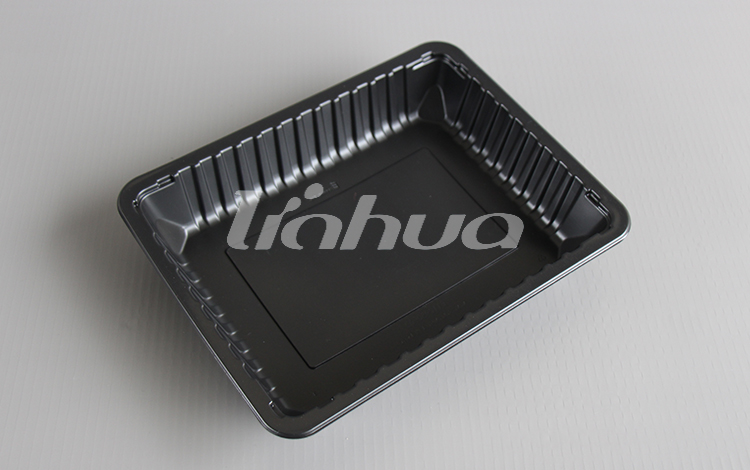
The insulation properties of Disposable CPET Trays are designed to help retain heat and maintain the ideal temperature for hot foods during storage and transportation. These trays are made of a high-performance material that can withstand elevated temperatures without compromising the structural integrity of the tray itself. When hot food is placed in a CPET tray, the material helps trap and retain heat, preventing the temperature from dropping too quickly. This is essential for maintaining the flavor, texture, and safety of hot meals, especially when they are being transported over long distances or held in foodservice establishments for extended periods. For example, in food delivery services, catering applications, or pre-packaged ready-to-eat meals, the insulation provided by the tray helps keep hot foods at safe serving temperatures, typically above 140°F (60°C), for longer durations. By reducing the rate at which heat escapes, CPET trays enhance the overall customer experience by ensuring that meals remain hot, fresh, and delicious until they are consumed.
In addition to heat retention, Disposable CPET Trays also play an essential role in maintaining the temperature stability of cold foods. The insulation properties of these trays act as a barrier against external temperature fluctuations, helping to preserve chilled or frozen food items. For example, salads, desserts, sandwiches, and other cold-prepared meals remain at their optimal temperature longer when stored or transported in CPET trays. When food is exposed to warmer external temperatures during transportation, the tray helps to slow down the warming process, reducing the likelihood of temperature abuse. In cases where the food is frozen, the tray helps to preserve the cold temperature and prevent the food from thawing too quickly, which could compromise its texture, taste, and safety. This is especially important for frozen meals that require specific storage conditions before reaching consumers. The insulating barrier ensures that the food remains in a safe range, reducing the risk of spoilage or bacterial growth due to improper temperatures.
One of the most crucial benefits of the insulating properties of Disposable CPET Trays is their ability to provide temperature stability during transport. Whether the food is being delivered to consumers, distributed to retail outlets, or transported to catering events, maintaining a consistent temperature is vital to preserving both food safety and quality. High-quality CPET trays help mitigate temperature fluctuations during transportation, ensuring that hot foods stay warm and cold foods stay chilled for extended periods, even without the need for additional cooling or heating sources. This is particularly important in the context of food logistics, where products may be in transit for several hours. By offering superior insulation, CPET trays help minimize the risk of food becoming too warm (for hot foods) or too cold (for chilled items), ensuring that consumers receive their meals at the ideal temperature for consumption.
Another key factor in the insulation of Disposable CPET Trays is their ability to minimize condensation and moisture build-up. When hot food cools down, it often releases moisture that can accumulate inside the packaging, leading to sogginess or a loss of texture, especially in items like fried foods or baked goods that need to stay crispy. CPET trays are designed to reduce moisture absorption by controlling how air circulates inside the container, preventing excessive condensation from forming inside the tray. For cold foods, this same property helps to prevent moisture condensation from causing the food to become waterlogged, which can diminish the visual appeal and quality of the meal. For example, when transporting salads, fruit platters, or desserts, the insulation of the tray helps prevent the formation of excess moisture, preserving the freshness and texture of the ingredients.
The insulation properties of CPET trays offer significant energy-saving benefits. By maintaining the temperature of hot or cold foods for longer periods, CPET trays reduce the need for constant heating or cooling interventions during storage or transport. For example, businesses that use CPET trays for packaging hot meals or frozen foods do not have to rely on additional heating lamps, refrigeration units, or other temperature-control equipment, thereby reducing the overall energy consumption. This can lead to cost savings for food manufacturers, foodservice operators, or delivery services, who can optimize both food quality and energy use. The longer the food temperature is maintained, the less frequently energy-intensive processes are needed to either reheat or re-chill the food, making CPET trays a more cost-effective and environmentally friendly option compared to other less-insulated packaging materials.
PET Cups, Decoded: What the Name Really Promises PET stands for polyethylene terephthalate and carr...
.jpg?imageView2/2/w/600/h/600/format/webp/q/75)
Food Tray Dimensions: The Five Numbers That Decide Whether a Tray Actually Fits Most tray sizing di...

0086 574 87739122
Copyright © Ningbo Linhua Plastic Co.,Ltd. All Rights Reserved.
Disposable Food Packaging Tray Manufacturers


Post Comment