
 英语
英语0086 574 87739122

 By: Ethan
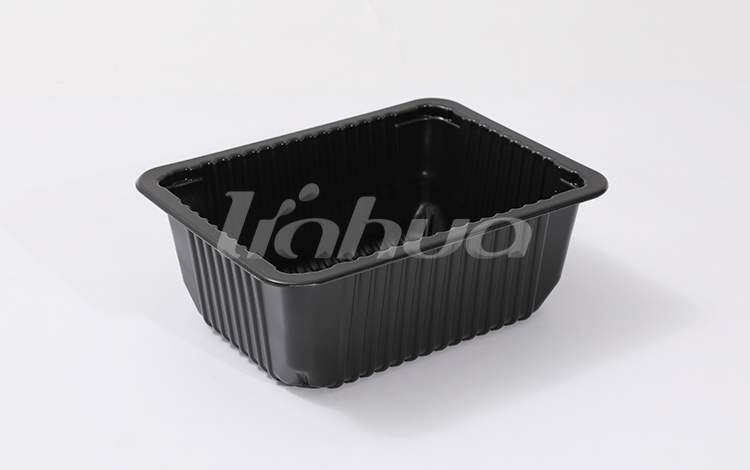
Impact on Portion Control and Nutritional Consistency: The size and compartmentalization of disposable CPET tray are critical factors in achieving precise portion control and maintaining nutritional consistency across meals. Individual compartments allow for clear separation of proteins, carbohydrates, vegetables, and sauces, ensuring that each portion contains the intended quantity and balance of nutrients. This is especially important for pre-packaged meals intended for calorie-controlled diets, hospital or healthcare meals, and commercial ready-to-eat food services where consistency is key. Large compartments can accommodate more substantial servings, while smaller sections provide accurate portioning for smaller calorie-controlled meals. Proper compartment design also prevents cross-contamination of flavors, moisture, or sauces, which could otherwise alter the perceived portion size or compromise nutritional labeling accuracy. In professional food production, standardized compartments allow automated filling machines to dispense precise quantities reliably, ensuring uniformity in appearance, portion weight, and nutritional content, which is critical for regulatory compliance and consumer satisfaction.
Influence on Even Heat Distribution During Cooking: The compartment layout of a CPET tray directly affects thermal conduction and even cooking. Uniformly sized compartments with consistent wall thickness promote balanced heat distribution, ensuring that food in each section reaches the target temperature simultaneously. Irregularly sized or asymmetrical compartments can create uneven heat flow, resulting in hot spots or cold spots within the same tray. For example, thicker walls between certain compartments act as insulators, reducing heat penetration to adjacent portions, while thinner walls may allow faster heating in neighboring sections. This uneven cooking can compromise food safety, particularly in frozen meals or dishes containing raw proteins. Optimizing compartment size, wall thickness, and spacing ensures that each portion cooks evenly, preserving intended texture, moisture, and flavor while minimizing the risk of undercooked or overcooked sections. Proper design considerations also allow for efficient airflow in ovens or convection microwaves, enhancing uniform heating across the entire tray.
Separation of Moisture-Rich and Dry Foods: Multi-compartment CPET trays allow effective separation of moisture-rich and dry foods, which is essential for maintaining both texture and cooking consistency. Moist foods such as stews, sauces, or vegetables release steam during heating, which can accelerate cooking in adjacent compartments if not properly isolated. Dry foods such as rice, pasta, or baked items require controlled heat without exposure to excess moisture, as this can lead to sogginess or uneven cooking. Well-designed compartments prevent moisture migration between sections, ensuring that each food component cooks under its optimal conditions. This separation also preserves the intended mouthfeel, prevents overcooking or undercooking, and maintains the visual appeal of the meal, which is important for both commercial presentation and consumer satisfaction.
Effect of Tray Size on Cooking Efficiency: The overall size of a disposable CPET tray influences how heat is distributed and how efficiently food cooks. Larger trays hold more food, which may require extended cooking times to ensure that internal portions reach the desired temperature, particularly for dense or moisture-rich components. Smaller trays allow faster heat penetration and more uniform cooking, but may limit portion size and require additional trays for larger servings. Tray width, length, and depth affect the proximity of food to the heat source and the convection of hot air or microwave energy around the compartments. Trays with poorly optimized dimensions may experience uneven cooking, where food at the edges cooks faster than the center. Designers must carefully balance tray dimensions with compartment arrangement to maximize cooking efficiency while maintaining portion integrity, ensuring that all sections of the tray are adequately heated for food safety and consistent quality.
Design Considerations for Commercial and Consumer Applications: For both commercial and consumer applications, the compartment size and overall tray design must balance portion control, cooking uniformity, handling convenience, and storage efficiency. Rounded corners, tapered edges, and consistent wall thickness promote efficient heat transfer and prevent food from sticking, ensuring even cooking and ease of serving. Standardized compartment sizes support precise meal assembly and automated filling in mass production environments. Properly designed trays also facilitate stacking, transport, and storage without deformation or spillage, which is essential for distribution logistics. In addition, tray design considerations such as compartment spacing, depth, and layout help maintain visual appeal, improve portioning accuracy, and enhance the overall eating experience. Thoughtful compartment and tray design ensures that meals cook consistently, maintain nutritional and visual quality, and remain safe for consumption, while providing convenience for both manufacturers and end-users.
Food-service packaging · Buyer's guide Small Containers, Big Stakes: Choosing Little Sauce Containe...
Beverage Packaging · Buyer's Field Note Eco Friendly Cups for Cold Drinks: What Buyers Should Actua...

0086 574 87739122
Copyright © Ningbo Linhua Plastic Co.,Ltd. All Rights Reserved.
Disposable Food Packaging Tray Manufacturers


Post Comment