
 英语
英语0086 574 87739122

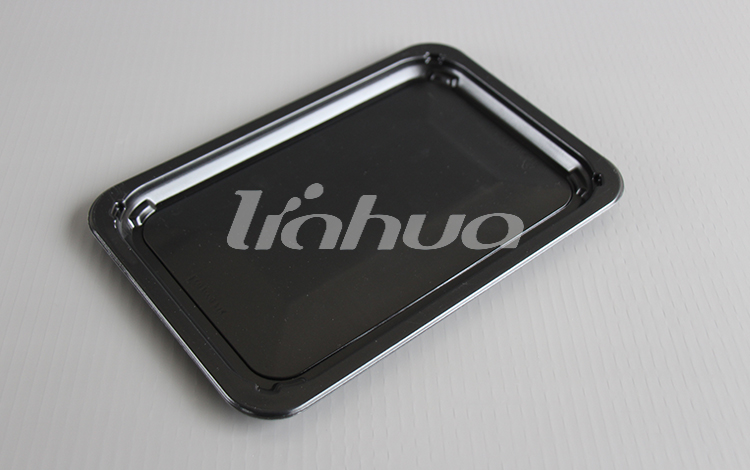 By: Ethan
The primary function of MAP Packaging Trays is to modify the atmosphere within the package by replacing the air with specific gas mixtures, such as nitrogen, carbon dioxide, and sometimes a controlled amount of oxygen. This modification helps to significantly reduce the levels of oxygen inside the packaging. By lowering the oxygen concentration, MAP Packaging Trays slow the growth of aerobic bacteria, molds, and yeasts, which require oxygen to thrive. This is particularly critical for perishable foods such as meat, fish, cheese, and fresh produce, as the absence of oxygen inhibits the growth of spoilage-causing microorganisms, thereby extending the shelf life of food during transit. For example, fresh meats that are packaged in a low-oxygen environment are less likely to develop bacterial growth, reducing the risk of contamination and spoilage during transportation. The gas mixture inside the tray is tailored to the specific needs of the food, optimizing the preservation process and ensuring that the product remains safe and fresh for a longer period.
Proper temperature control during food transportation is essential for food safety, especially for perishable products like dairy, meat, and seafood. MAP Packaging Trays help maintain temperature stability by providing an insulating barrier to the external environment. The controlled atmosphere inside the packaging also helps to slow down microbial activity, which is particularly sensitive to temperature changes. In refrigerated or frozen shipments, MAP Packaging Trays act as a secondary line of defense against temperature fluctuations. For instance, if the packaging is exposed to sudden changes in temperature during transportation, the atmosphere inside the tray slows down microbial activity, giving the refrigerated or frozen food additional time to stay safe before it reaches its destination. This dual protection—both through temperature control and modified gas composition—ensures that the food reaches its destination in an optimal state, reducing the chances of spoilage and foodborne illness caused by improper temperature management.
During transportation, food products are exposed to various risks such as dirt, dust, moisture, and other contaminants that could compromise food safety. MAP Packaging Trays provide an essential physical barrier to these external elements. The rigid materials used in the trays, such as PET (Polyethylene Terephthalate), PVC (Polyvinyl Chloride), or PP (Polypropylene), ensure that the product is shielded from contaminants during transit, particularly in unclean environments. This barrier prevents not only physical damage but also any potential exposure to harmful microorganisms in the air or from external surfaces. Additionally, the airtight seal of the tray keeps the food protected from contamination that may occur during multiple stages of handling and shipping, ensuring the integrity of the product from the moment it leaves the manufacturing plant until it reaches the consumer.
In the transportation of mixed food products, the risk of cross-contamination is a critical concern. MAP Packaging Trays help mitigate this risk by individually sealing each product in its own modified atmosphere, thereby isolating the contents of one tray from those of another. This is particularly important when transporting both raw and cooked foods or products with different microbial profiles. For instance, raw meat should not come into contact with cooked or ready-to-eat foods, as it could introduce harmful bacteria such as Salmonella. The sealed nature of MAP Packaging Trays ensures that any potential contamination remains contained within the individual package, preventing it from spreading to other items in the shipment. This isolation also helps to prevent cross-contamination between different types of food (such as meat and dairy), thereby maintaining food safety and reducing the risk of foodborne illnesses during transportation.
Physical damage to food products during transportation can result in contamination or accelerated spoilage. MAP Packaging Trays provide significant protection from physical impacts, crushing, or puncturing, which can expose the food to the external environment and lead to contamination. For example, berries, fresh seafood, and delicate cuts of meat are vulnerable to damage from rough handling during transit. The rigid, structured design of MAP trays helps maintain the integrity of the packaging and protects the food from crushing forces, particularly in stacked shipments or when packages are subjected to high-impact conditions. By preventing physical damage, MAP Packaging Trays reduce the likelihood of introducing pathogens to the food, ensuring that it arrives in a safe and marketable condition. The use of impact-resistant materials such as polyethylene terephthalate (PET) ensures that the trays retain their structural integrity even in challenging transportation conditions.
PET Cups, Decoded: What the Name Really Promises PET stands for polyethylene terephthalate and carr...
.jpg?imageView2/2/w/600/h/600/format/webp/q/75)
Food Tray Dimensions: The Five Numbers That Decide Whether a Tray Actually Fits Most tray sizing di...

0086 574 87739122
Copyright © Ningbo Linhua Plastic Co.,Ltd. All Rights Reserved.
Disposable Food Packaging Tray Manufacturers


Post Comment