
 英语
英语0086 574 87739122

 By: Ethan
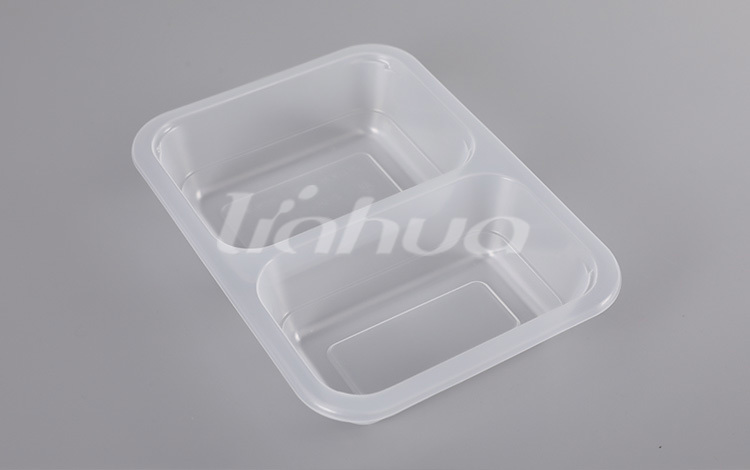
One of the most effective design features of Disposable Plastic Food Trays is the inclusion of compartments or dividers. These partitions are strategically placed to separate different food items, ensuring that each portion is kept distinct. For example, a tray might have three compartments—one for a main dish, one for a side, and one for dessert or salad. This design aids in portion control by creating a visual boundary for foodservice staff, making it easier to measure and control the amount of food served.
In environments like school cafeterias, hospitals, or military rations, portioning is a critical factor to ensure nutritional consistency and adherence to dietary regulations. These trays help prevent over-serving or under-serving, which could lead to food waste or nutritional imbalances. By standardizing portions through compartmentalization, foodservice operators can ensure that each meal meets the required portion size guidelines, making it simpler to maintain nutritional standards across large-scale meal services.
Some Disposable Plastic Food Trays are designed with pre-portioned sections that are molded to fit specific serving sizes for each type of food. These trays are particularly useful in environments where meals are carefully planned and standardized. For example, in takeout services, airline catering, or pre-packaged meal services, the compartments may be sized to fit precisely the amount of food allocated for each food group.
In addition to reducing the risk of over- or under-portioning, these trays also streamline the meal assembly process, as staff simply need to place the appropriate amount of food into each pre-designated space. This not only enhances speed and consistency but also helps manage food costs by preventing portioning errors. Furthermore, pre-portioned sections can accommodate different types of foods that have varying consistency or preparation needs, such as liquid-based dishes like soups or sauces, ensuring that the right amount of each food is served.
The standardization of tray sizes is a key design element in Disposable Plastic Food Trays that significantly supports portion control. Standard tray sizes are often designed to match the specific needs of different types of meals or food categories. For example, a small tray might be used for a light breakfast or snack, while larger trays can accommodate more substantial meals. By adhering to pre-determined dimensions, these trays ensure that food portions are consistent for every meal served.
For foodservice operations that cater to a large volume of customers, such as hospitals or corporate cafeterias, using standardized tray sizes helps maintain portion accuracy across multiple servings. When trays are uniform in size, it reduces the chance of serving disproportionate amounts, thereby improving operational efficiency, reducing waste, and controlling costs. The uniformity also ensures that meals served on trays align with the nutritional or caloric guidelines required for specific customer groups, such as those on a weight management program or in regulated meal plans.
Some advanced Disposable Plastic Food Trays incorporate measurement indicators or molded inserts within the compartments to further assist in portion control. These trays are designed with visible or raised sections that delineate the precise volume or weight of food that should be placed in each compartment. For example, a tray might have a raised line or molded cavity for a specific amount of rice (e.g., ½ cup), vegetables (e.g., 100 grams), or protein (e.g., 3 ounces).
This design is particularly useful in environments where nutrition standards need to be strictly adhered to, such as in hospitals, senior care facilities, and diet-focused meal services. Staff can easily follow these markings, which act as guides for portioning, ensuring consistency and reducing the chance of over-serving or under-serving. These built-in guides make food portioning quicker, more accurate, and efficient, and they can also help avoid food waste by preventing the overuse of ingredients.
Some Disposable Plastic Food Trays are designed with adjustable compartments that offer flexibility based on the type of meal being served. These trays often feature movable or removable dividers that can be adjusted to suit different food portions or configurations. For example, the size of the compartments can be modified to allow for larger portions of certain foods (like rice or salad) or smaller portions for other foods (like dessert or fruit).
Such trays are ideal for catering services, take-out orders, or banquet events, where meal requirements may change depending on customer preferences, seasonal menus, or portion control guidelines. The flexibility in compartment sizes allows foodservice operators to cater to varying portion requirements without needing to use multiple tray types or invest in a wide array of packaging options. By utilizing adjustable trays, foodservice operations can optimize their serving sizes while maintaining flexibility and reducing inventory complexity.
Some Disposable Plastic Food Trays are designed to include nutritional labeling that directly corresponds to the portions contained in each compartment. These trays may feature printed labels or designated spaces for adding caloric or nutritional information for each section, making it easier for both foodservice operators and customers to track intake. This is especially important in health-conscious meal programs, such as those in schools, hospitals, or dietary-focused catering.
Nutritional information, such as calories, protein content, carb values, and micronutrient breakdowns, can be printed directly onto the trays or be made available via an attached tag. This helps ensure that each portion is aligned with specific dietary guidelines or calorie counts, helping foodservice operations to comply with nutrition standards and provide transparency for consumers, especially those managing health conditions like diabetes or obesity.
Food Service Packaging Field Guide Coffee Cup Dimensions: The Measurements Behind a Comfortable Po...
.jpg?imageView2/2/w/600/h/600/format/webp/q/75)
Packaging Materials — A Buyer's Briefing Biodegradable Food Trays: An Honest Briefing Before You Sw...

0086 574 87739122
Copyright © Ningbo Linhua Plastic Co.,Ltd. All Rights Reserved.
Disposable Food Packaging Tray Manufacturers


Post Comment